
As architectural photographers, understanding the origins of the craft provides important context for how we work today. Architectural photography has evolved alongside both technology and architecture itself, shaping not only how buildings are documented, but how they are perceived.
From its earliest days, photography offered a new way to record the built environment with a level of accuracy that drawing and engraving could not achieve. This shift was significant. Architecture could now be shared widely, studied remotely, and preserved visually in a way that was both precise and accessible.
Early practitioners established a visual language that still underpins the discipline. Considerations such as perspective control, composition, and the careful use of light were not stylistic choices alone, but technical necessities. These foundations continue to influence how contemporary architectural photography is approached.
Equally important is the role photography has played in cultural exchange. Before widespread travel, photographs allowed architects, designers, and the public to experience buildings across different regions and cultures. This exchange of visual information contributed directly to the spread of architectural ideas and movements.
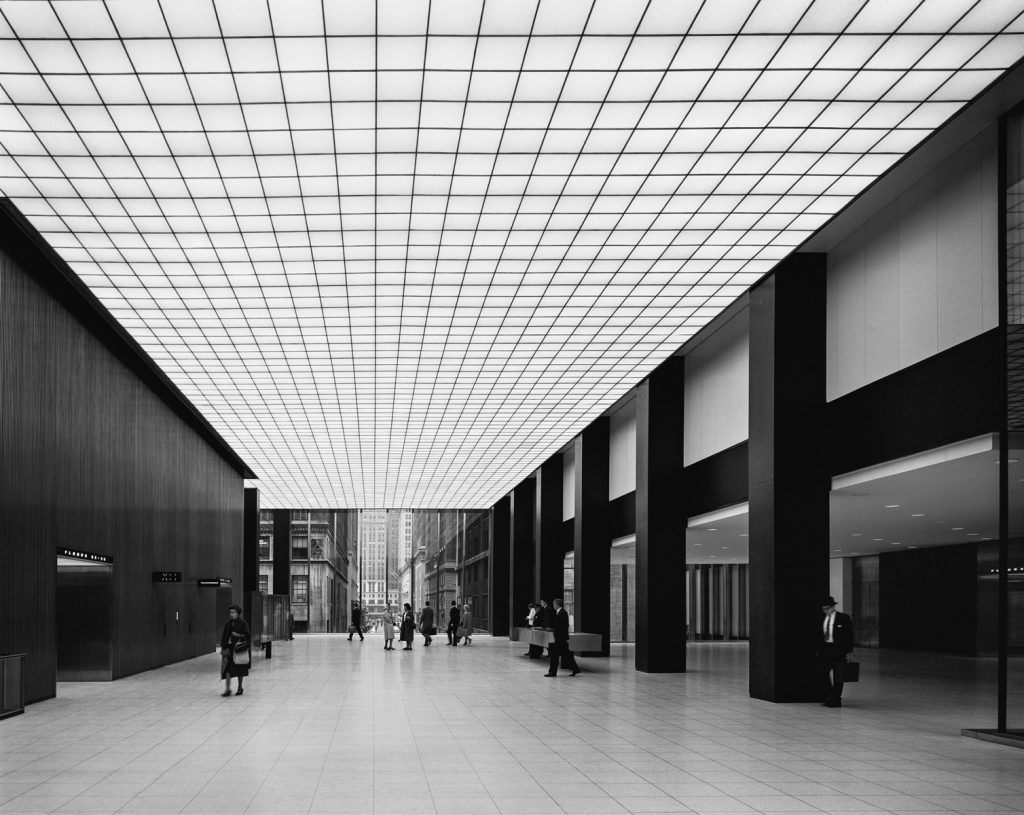
How did Architectural Photography Become Popular?
The rise of architectural photography is closely linked to developments in the 19th century. The invention of the daguerreotype in 1839 marked the beginning of photography as a practical medium. Early processes required long exposure times, often ranging from 30 seconds to several minutes. As a result, moving subjects were difficult to capture, making buildings ideal photographic subjects.
At the same time, industrialisation and the growth of the middle class led to increased interest in travel, education, and culture. Architectural photographs became highly valued as records of important landmarks, historic sites, and new developments.
By the mid to late 19th century, photographic prints were widely distributed in books, exhibitions, and collections. Architectural photography became a tool not only for documentation but also for education. It allowed people to study construction methods, design styles, and urban development without needing to visit those locations.
Photography also became essential to architects themselves. It provided a way to document completed projects, communicate design intent, and build professional portfolios. This relationship between architecture and photography continues to be fundamental today.
From Documentation to Interpretation
In its early stages, architectural photography was primarily documentary. The goal was to represent buildings as accurately as possible, often with a focus on symmetry, proportion, and detail. Technical limitations reinforced this approach. Early cameras were large and static, lenses were limited, and exposure control was minimal.
As photographic technology improved in the early 20th century, the role of the photographer began to shift. The introduction of faster films, improved lenses, and portable cameras allowed for greater flexibility. Perspective control lenses, in particular, enabled photographers to correct distortion and more accurately represent architectural form.
With these advancements came a more interpretive approach. Photographers began to explore composition, abstraction, and atmosphere. Light was no longer just a constraint but a creative tool. This period also saw the influence of modernist art movements, which encouraged experimentation with form, geometry, and perspective.
By the mid-20th century, architectural photography had developed into both a technical discipline and an artistic practice. It was no longer solely about recording buildings, but about expressing their character, purpose, and relationship to their surroundings.
Pioneers of Architectural Photography
The progression of architectural photography has been shaped by a number of influential figures whose work continues to inform the discipline.
Berenice Abbott
Berenice Abbott played a key role in documenting the transformation of New York City during the 1930s. Her project Changing New York is one of the most important photographic records of urban development. Abbott combined a documentary approach with strong compositional awareness, capturing both the scale and structure of the city. Her work highlights how photography can serve as both historical record and visual interpretation.
Julius Shulman
Julius Shulman is closely associated with the visual identity of mid-century modern architecture in California. His photographs helped define how these buildings were presented to the public, often emphasising openness, lifestyle, and the relationship between interior and exterior spaces.
One of his most well-known images, Case Study House #22, demonstrates his ability to combine architecture, environment, and human presence within a single frame. Shulman understood that architectural photography could shape perception, and his work played a significant role in popularising modernist design.
Ezra Stoller
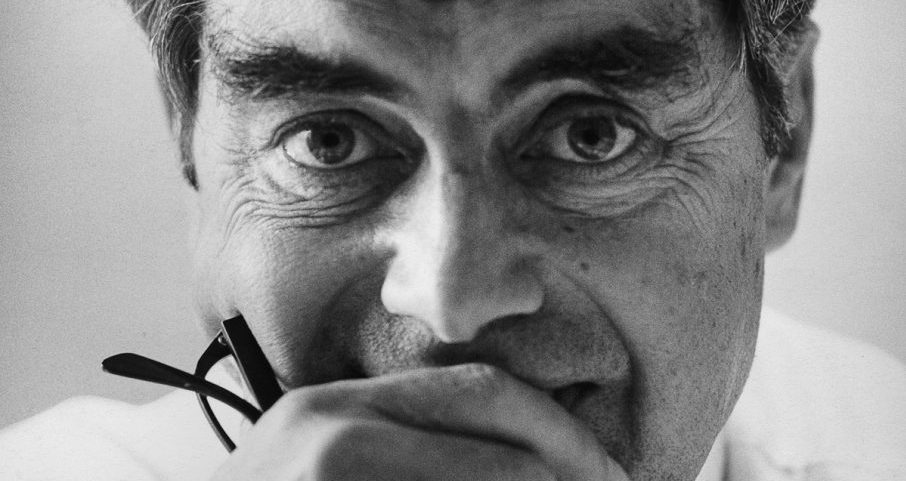
Ezra Stoller is widely regarded as one of the most important architectural photographers of the 20th century. His work is known for its precision, clarity, and disciplined composition. Stoller believed that the photographer’s role was to communicate the architect’s intent as clearly as possible.
He photographed many iconic buildings, and in many cases, his images became the definitive representation of those structures. His approach set a professional standard for architectural photography, particularly in how buildings are documented for publication and archival purposes.

Eric de Maré
Eric de Maré focused on British architecture, particularly in the post-war period. His work often explored industrial and vernacular buildings, highlighting structures that were frequently overlooked.
De Maré’s photography is notable for its narrative quality. Rather than simply presenting architecture, he examined its social and historical context. His images reflect broader changes in society, including industrialisation and urban development, offering a more reflective and critical perspective on the built environment.
The Role of Technology
Technological advancement has always been central to architectural photography. Early limitations shaped the way buildings were photographed, while later innovations expanded creative possibilities.
The introduction of large-format cameras allowed for exceptional detail and perspective control. Tilt-shift lenses later made these capabilities more accessible, enabling photographers to correct vertical lines and maintain accurate proportions.
In the digital era, new tools have further transformed the field. High-resolution sensors, advanced editing software, and techniques such as HDR imaging and exposure blending allow photographers to manage complex lighting conditions more effectively. Drone photography has also introduced entirely new perspectives, offering views of architecture that were previously difficult or impossible to achieve.
Despite these advancements, the fundamental principles remain unchanged. Light, composition, and an understanding of space continue to define strong architectural imagery.
A lasting Influence
Architectural photography continues to evolve alongside changes in design, technology, and culture. It plays a critical role in how architecture is communicated, marketed, and understood.
Looking back at its history highlights an important point. While tools and techniques have advanced, the core objective remains the same: to represent architecture in a way that is both accurate and meaningful.
Understanding this history not only provides context, but also reinforces the responsibility of the photographer. Architectural photography is not simply about capturing buildings, but about interpreting space, conveying intent, and contributing to a wider visual record of the built environment.